Look, we’ve all heard the promises. Donors want transparency. Nonprofits need to prove impact. Annual reports are basically ancient history at this point. But here’s the thing: there’s a real gap between knowing you should be transparent and actually pulling it off without burning out your already-stretched team.
So let’s talk about real-time impact data. Not as some impossible ideal, but as a genuinely doable way to show donors exactly what their money accomplishes, as it happens. You’ll learn what real-time data actually looks like in practice, how to start small without overhauling everything at once, and why the right tools (including some free ones) can make this whole transparency thing feel less like a tech nightmare and more like the trust-builder it should be.
The Trust Thing We Can’t Ignore
Public trust in nonprofits sits at 57% according to the 2024 Edelman Trust Barometer and Independent Sector report. Sure, that beats government and media, but it’s not exactly a victory lap when you’re asking people to invest in your mission.
The numbers get more interesting when you dig in. Transparent nonprofits with seals like GuideStar’s pull in 53% more contributions compared to their less-open peers (GuideStar research by Villanova University and University of Wisconsin–Milwaukee). Donors are looking at accomplishments, reputation, and financials as their top trust factors (Give.org). And only 31% trust nonprofits with data protection (2025 Trust in Civil Society report), which tells you operational transparency matters just as much as mission transparency.
Without verifiable results, even the strongest missions start losing funding. We’ve moved past the overhead ratio myth into something more sophisticated. Donors want measurable outcomes, not just reassurance that you’re keeping costs low.
The Real Struggles (Because We’ve Seen Them All)
Before we jump into solutions, let’s get honest about what actually happens when nonprofits try to “do transparency.”
The Dashboard That Became a Time Sink: A mid-sized education nonprofit dropped $15,000 on a custom impact dashboard. Great idea, right? Except it required three staff hours every week to update manually. By month four, they’d abandoned it because their program team couldn’t spare the time. Donors noticed the stale data, which somehow made things worse than having no dashboard at all.
The “Where Is That Number?” Panic: An environmental org tracked volunteer hours in Excel, donations in their legacy CRM, and program outcomes in a grant-specific database. When a major donor asked for real-time impact per dollar donated, compiling an answer took two weeks. The donor didn’t wait.
The “We Know We Should, But…”: A health nonprofit’s executive director totally understood why transparency mattered but had zero technical staff to implement tracking systems. They watched younger donors gravitate toward organizations with slick donor portals while feeling stuck in neutral.
These aren’t failures. They’re capacity challenges that the right infrastructure actually solves.
What We’re Actually Talking About Here
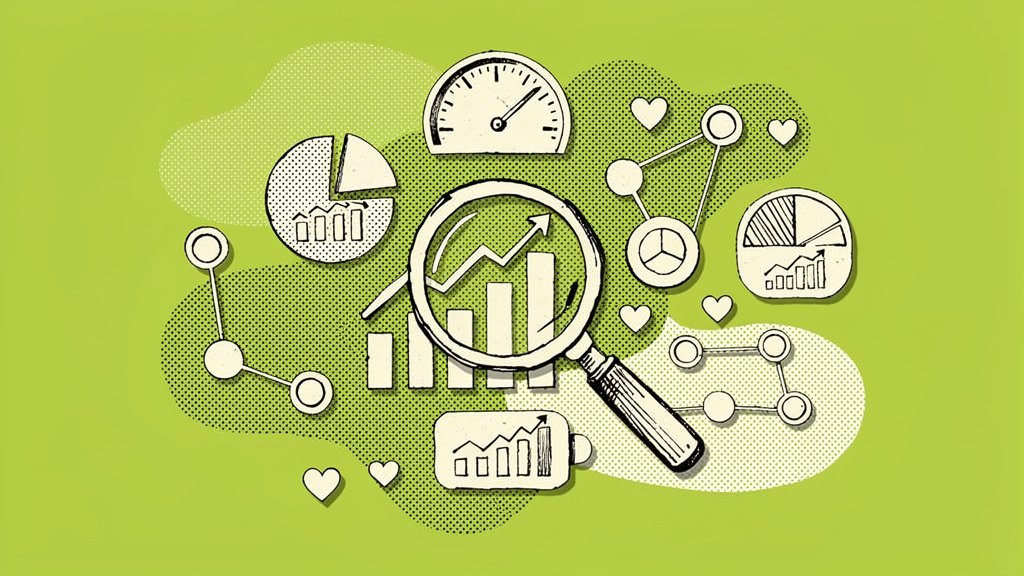
Real-time impact data means live metrics like meals served, patients treated, or trees planted flowing directly to dashboards. Unlike annual reports (which age about as well as milk), this data refreshes every 15-30 minutes through APIs, connecting donor contributions to outcomes instantly.
| Metric Type | Examples | Tools for Tracking |
|---|---|---|
| Quantitative | Meals distributed, graduation rates, carbon reduced | Satellite imagery, beneficiary surveys |
| Beneficiary Outcomes | Job placements, income gains, health improvements | Automated follow-ups, feedback loops |
| Financial | Donation-to-expense links, ROI per program | ACH APIs, expense categorization |
Some success stories that aren’t just fluffy case studies: EarthGuard’s reforestation dashboard boosted recurring donations by 58% through live tree counts (Firefly Giving case). A global health initiative cut supply chain delays by 47% with live vaccine tracking while bumping retention 35% (Firefly Giving case).
Protip: Launch one key metric dashboard. Maybe meals served per dollar or students tutored. Share it via a donor portal with your top 10 supporters and get their feedback before you scale. Quick wins build internal buy-in way better than overwhelming your team with a complete overhaul.
Why “Live” Beats “Eventually”
Annual Form 990s satisfy the IRS but fail modern donors who want immediacy. And it’s not just about timing. It’s about creating partnerships instead of transactions.
| Approach | Traditional Reporting | Real-Time Dashboards |
|---|---|---|
| Update Frequency | Annual/Quarterly | 15-30 minutes |
| Donor Engagement | Passive PDFs | Interactive portals, mobile access |
| Impact Proof | Summaries | Live beneficiary tracking |
| Tech Needs | Spreadsheets | APIs, cloud servers |
| Results | Transactional giving | Partnership loyalty |
Real-time data exposes inefficiencies that traditional reporting hides, so you can adjust programs mid-campaign instead of doing post-mortems. Donors cover fees 65% of the time when they see clear impact visuals (Firefly Giving data). LearnForward’s personalized student progress dashboards generated a 42% jump in donor satisfaction (Firefly Giving case).
Let AI Do Some Heavy Lifting
Ready to map your own transparency roadmap? Copy this prompt into ChatGPT, Claude, Gemini, or Perplexity:
I run a [TYPE OF NONPROFIT] with an annual budget of [BUDGET RANGE] serving [NUMBER OF BENEFICIARIES] people. Our primary programs include [PROGRAM DESCRIPTION]. Design a 90-day implementation plan for launching real-time impact dashboards that will rebuild donor trust, including: (1) the top 3 metrics to track first, (2) budget-friendly tools we can use, (3) potential barriers specific to our sector, and (4) a communications strategy for introducing donors to these dashboards.Variables to customize:
- [TYPE OF NONPROFIT] (e.g., youth development, environmental conservation),
- [BUDGET RANGE] (e.g., $500K-$1M annually),
- [NUMBER OF BENEFICIARIES] (e.g., 2,000),
- [PROGRAM DESCRIPTION] (e.g., after-school tutoring and college prep).
AI tools give you strategic direction, but platforms like Funraise offer AI functionality built directly into your workflow with full context of your donor data. No copy-paste shuffle between platforms.
How Funraise Makes This Less Painful
Funraise’s Fundraising Intelligence delivers embedded analytics, custom dashboards, and donor prospecting to showcase real-time impact, all without requiring a data science degree. Organizations using Funraise see 7x more annual online fundraising, 1.5x recurring revenue growth, and 12% higher donor retention (Funraise data via Sisense).
These aren’t marginal improvements. Funraise users grow online revenue 73% year-over-year on average (that’s 3x industry benchmarks) with 50% donation form conversion rates fueling transparent tracking (Funraise growth statistics).
The platform unifies what most nonprofits struggle to connect:
- Reports & Dashboards: Visual KPIs on donors, donations, events,
- Wealth Screening: Affinity scores matching donors to causes,
- AI Forecasting: Revenue predictions from historical patterns,
- Integrated Systems: Donor management, P2P, events, SMS in one view.
Best part? Funraise offers a free tier. Smaller nonprofits can start building transparency infrastructure today with zero financial commitment. Test it, prove the concept to your board, then scale when your dashboards demonstrate ROI.
Protip: Link your CRM to bank APIs first for automatic donation-to-impact flows. This prevents the data silos that plague manual tracking, where volunteer hours live in spreadsheets while financials hide in accounting software.
“Transparency isn’t just about showing donors where money goes—it’s about inviting them into the mission as partners who can see their personal impact unfold in real time.”
Funraise CEO Justin Wheeler
Building Dashboards People Will Actually Open
Craft dashboards with stakeholder-specific views: simple progress bars for donors, deep metrics for board members. Mobile-responsive design matters since 68% of donations now happen on smartphones, yet many legacy systems only work on desktop.
Essential features include:
- Stakeholder Customization: Donors view “your impact” summaries while advisors drill into program ROI,
- Refresh Rates: 15-30 minute updates for donor-facing metrics,
- API Integrations: Direct connections to program databases,
- User Controls: Download reports, set alerts, share achievements.
Here’s an unconventional idea: Gamify your dashboards. Add donor “impact badges” like “Tree Hero” for funding 10 trees or “Scholar Builder” for sponsoring five students. This taps into social proof and friendly competition, encouraging donors to share their badges on social media. Pair this with Funraise’s donor portals for self-service views where supporters check their own impact scores without bugging your team.
One wildlife nonprofit saw a 34% increase in social shares after implementing impact badges tied to animal rescues tracked in real time.
Getting Past the Roadblocks
Key obstacles include data silos, technical skills gaps, and perceived costs. But there are actual solutions for each.
Data Silos: Break down walls with unified CRMs like Funraise that pull from multiple sources automatically. Stop exporting CSVs between systems.
Skills Gap: Choose low-code or no-code dashboard builders. Funraise’s visual interface requires zero programming knowledge.
Cost Concerns: Start with Funraise’s free tier. Prove ROI with one successful campaign before budgeting for premium features.
Implementation Steps:
- Audit Current Data: Identify what you’re already tracking (CRM records, program surveys, financial systems),
- Choose Core Metrics: Select 3-5 measures that matter most to your mission,
- Select Tools: Platforms like Funraise offer seamless embedding,
- Pilot & Gather Feedback: Launch with one campaign or program,
- Scale Winners: Expand successful dashboards across all programs.
Research shows 74% of donors value organizational passion, but transparency adds 12% trust specifically through governance visibility (TNPA report). You need both heart and data.
Protip: Embed post-donation surveys directly in dashboards. Use AI tools (like Funraise’s built-in intelligence) to convert qualitative beneficiary stories into quantitative metrics, refreshing donor views weekly with both numbers and narratives.
What’s Actually Working Out There
A global health initiative slashed supply chain delays by 47% while increasing retention 35% through real-time vaccine tracking dashboards that let donors see exactly when their funded vaccines reached remote clinics (Firefly Giving case).
EarthGuard’s satellite-powered reforestation dashboard provided irrefutable proof of carbon offset claims, sparking a 58% increase in recurring donations as environmental donors gained confidence their money created measurable planetary impact (Firefly Giving case).
Organizations using Funraise, like the Innocence Project, have raised millions online by giving donors transparent views into case progress and exoneration outcomes.
Bold idea that might make your board nervous: Dashboard your impact metrics publicly alongside peer organizations. “Our meals served per dollar vs. industry average.” This competitive transparency generates media attention while proving confidence in your outcomes. It’s risky but powerful for nonprofits looking to differentiate.
What’s Coming Next
Trends for 2025-2026 point toward AI analytics, non-intrusive data collection, and continuous feedback loops. Funraise’s AI predictions and wealth screening already align with this trajectory, while blockchain-inspired tracking may soon verify impact claims cryptographically.
Key developments to watch:
- Data Democratization: Insights accessible without PhD-level analytics skills,
- Open Banking APIs: Secure, real-time financial flows between platforms,
- Predictive Analytics: AI forecasting which programs will generate maximum impact per dollar.
Our bold prediction: By 2027, 80% of top-performing nonprofits will mandate live impact dashboards for board approval of new programs. Organizations without real-time tracking will struggle to attract both major donors and foundation grants.
Where You Start
Audit your data infrastructure today. What are you already tracking that could feed a basic dashboard? Implement one real-time metric via a platform like Funraise’s free tier and measure the uplift in donor retention over 90 days.
The transparency revolution isn’t coming. It’s here. Donors have more giving options than ever, and they’re choosing organizations that prove impact over those that merely promise it. Real-time dashboards transform your mission from a leap of faith into a visible partnership.
Test Funraise for free and discover how embedded analytics turn your existing donor data into trust-building transparency without adding headcount or technical debt. Good intentions deserve efficient execution, and efficient execution deserves real-time proof.
The question isn’t whether to embrace transparency, but whether you’ll lead the revolution or scramble to catch up.
About the Author

Beginner's Guide to Claiming Your Nonprofit Property Tax Exemption
Look, property tax exemptions might be one of the most overlooked opportunities in the nonprofit world. While you're busy optimizing overhead ratios and perfecting donor acquisition strategies, there's this straightforward way to redirect thousands of dollars annually toward your actual mission. We're talking serious money here. Back in fiscal year 2009, U.S. property tax revenues…
Modern Humanitarianism: Why Digital Logistics and Local Procurement Trump Traditional In-Kind Aid
So here's the thing about modern humanitarian aid: we're still shipping blankets halfway around the world when there's a perfectly good blanket factory down the road from where they're needed. Look, traditional in-kind aid (you know, collecting donations and physically shipping stuff overseas) made sense in a different era. But digital logistics and local procurement…
Sustainable Scaling: Balancing Burn Rates and Long-Term Operational Efficiency in Growing Nonprofits
Sustainable Scaling: Balancing Burn Rates and Long-Term Operational Efficiency in Growing Nonprofits Growth feels like success. More programs, more staff, more impact, right? But here's the uncomfortable truth: unchecked expansion is draining nonprofits dry. When your burn rate outpaces your revenue, you're not scaling sustainably. You're building a house of cards. At Funraise, we've spent…