
Look, if your nonprofit’s HR practices still involve paper timesheets and filing cabinets, we need to talk. We’ve watched countless organizations pour energy into mission work while their people systems languish in the dial-up era. And here’s the thing: that gap costs you more than time. Nonprofits face turnover rates of 19-21% compared to the all-industry average of 12% (Cooper Coleman), and 67% of employees are actively eyeing the exit (Candid). But modernizing HR isn’t some overwhelming tech overhaul.
In our experience, it’s about strategic upgrades that help you retain talent, work smarter, and prove that investing in people is investing in impact. We’ll walk you through eight approaches that transform HR from a paper-pushing department into mission-critical infrastructure.
Strategy 1: Adopt an HRIS or HCM Platform
Your HR team shouldn’t spend 50% of their time wrestling spreadsheets and compliance paperwork (HR Intervals). Switching to a Human Capital Management (HCM) or HR Information System (HRIS) centralizes employee data and automates the tedious stuff like payroll, onboarding, and compliance tracking.
Tools like Paycom, BambooHR, ADP Workforce Now, or Zoho People offer features you actually need: volunteer hour tracking, grant-compliant reporting, self-service portals. Instead of drowning in admin work, your team can focus on what matters.
For small teams on tight budgets, there’s good news. Affordable options scale without enterprise costs, and many integrate seamlessly with fundraising platforms. Speaking of which, if you haven’t tested Funraise.org, you can start for free with no commitments and see how an all-in-one system transforms both fundraising and operational workflows.
Protip: When evaluating HRIS vendors, demand nonprofit-specific demos showing volunteer hour tracking and grant reporting. Generic corporate demos miss your reality entirely.
Strategy 2: Embrace Skills-Based Hiring with AI
Forget the four-year degree requirement. Skills-based hiring widens your talent pool dramatically, especially when 85% of nonprofits struggle to find qualified fundraisers (Funraise). Use AI-powered Applicant Tracking Systems (ATS) to screen resumes for mission-aligned competencies like relationship-building, data analysis, or community organizing instead of arbitrary credentials.
AI tools predict candidate fit, reduce unconscious bias, and automate initial interview scheduling. This slashes hiring time from 6-8 weeks to 2-4 weeks (CDW). But here’s the key: pair automation with humane hiring practices. Personalized communication and quick feedback keep candidates engaged. We’ve found that automation should support, not replace, the human touch that attracts mission-driven talent.
| Aspect | Traditional | Modern |
|---|---|---|
| Focus | Degrees/Experience | Skills/Transferable Abilities |
| Time to Hire | 6-8 weeks | 2-4 weeks with AI |
| Diversity | Limited pool | Broader, inclusive candidates |
| Cost | High (90-200% salary to replace) | Lower turnover |
Strategy 3: Implement Hybrid Work and Flexibility
Hybrid and remote models aren’t nice-to-haves anymore. Flexibility tops candidate demands in 2025 (ADP), and honestly? It’s one of your strongest retention tools. Use collaboration tools like Slack or Microsoft Teams integrated with your HRIS for seamless check-ins, time tracking, and virtual team-building.
This combats burnout, which drives 50% of workforce shortages (Council of Nonprofits), and boosts satisfaction even as 53% of nonprofits expand teams (Robert Half). Plus, flexibility opens your hiring pipeline. Geographic boundaries disappear when your development director can work from anywhere, letting you recruit beyond expensive metro areas.
Common Challenges We See Daily
Before nonprofits modernize HR with platforms like Funraise, we hear these stories on repeat:
The Spreadsheet Spiral: A mid-sized advocacy nonprofit tracked 40 employees across seven Google Sheets for PTO, performance reviews, and payroll. When their ED left unexpectedly, no one could find accurate compensation data for the board. They spent three weeks reconstructing records instead of advancing their mission.
The Ghosted Candidate Syndrome: An environmental org took 12 weeks to hire a major gifts officer. By week four, their top three candidates had accepted other offers because automated rejections never fired and no one followed up. They blamed “the talent shortage” when the real culprit was their manual hiring workflow.
The Burnout Churn: A social services nonprofit lost five program managers in 18 months. Exit interviews revealed exhaustion, not salary. They had no mental health benefits, no flexible scheduling, and leadership mistook “dedication” for “working weekends.” The replacement cost alone exceeded their annual training budget.
These aren’t edge cases. They’re the norm until organizations treat HR modernization as mission-critical infrastructure, not overhead.
Strategy 4: Prioritize Retention Through Peer Recognition and Pay Transparency
You can’t outbid corporations on base pay alone. 72% of nonprofits cite salary competition as their top recruitment barrier (Council of Nonprofits). But you can create belonging through regular feedback loops and celebrating small wins.
Foster peer-to-peer recognition via platforms built into HCM systems, alongside pay transparency to meet equity demands. This matters enormously for fundraisers, whose average tenure is just 16-24 months (Nonprofit Fundraising). Organizations that focus on retention save massive rehiring costs, since replacing an employee costs 90-200% of their annual salary (Cooper Coleman).
Protip: Launch a monthly “kudos channel” in your team chat where anyone can shout out colleagues. Tie these recognitions to performance reviews for measurable engagement lifts.
AI Prompt: Build Your Modernized HR Strategy
Ready to customize these strategies for your organization? Copy and paste this prompt into ChatGPT, Claude, Gemini, or Perplexity:
I lead a nonprofit with [NUMBER OF EMPLOYEES] staff members focused on [MISSION AREA]. Our current HR challenges include [CHALLENGE 1] and [CHALLENGE 2]. Based on the 8 strategies to modernize nonprofit HR, create a 90-day implementation roadmap prioritizing quick wins and low-cost solutions. Include specific tools to evaluate, metrics to track, and talking points for board buy-in. Our annual operating budget is [BUDGET RANGE].Variables to customize:
- NUMBER OF EMPLOYEES (e.g., “23” or “150”),
- MISSION AREA (e.g., “youth development” or “environmental justice”),
- CHALLENGE 1 (e.g., “high turnover among program staff”),
- CHALLENGE 2 (e.g., “manual payroll processes”),
- BUDGET RANGE (e.g., “$500K-$1M” or “$5M+”).
While AI tools can draft strategies, consider solutions like Funraise that embed AI functionality directly where you work. Fundraising dashboards, donor communications, reporting, all with full context and no copy-paste shuffle.
Strategy 5: Invest in DEI and Upskilling Programs
Embed DEI training and low-cost upskilling via free platforms like LinkedIn Learning or learning management systems within your HRIS. Skills gaps widen with talent scarcity, and 38% of nonprofits struggle attracting candidates while 52% struggle retaining them (501c).
Proactive upskilling addresses what 95% of leaders fear most: burnout (BambooHR). Turn entry-level hires into long-term assets by investing in their growth rather than perpetually recruiting experienced (expensive) talent. Partner with community colleges or professional associations for diverse talent pipelines.
“The nonprofits that will thrive aren’t necessarily those with the biggest budgets, but those that treat their people as their most valuable asset and invest in systems that support them.”
Funraise CEO Justin Wheeler
Strategy 6: Focus on Well-Being and Mental Health Support
Provide mental health resources like employee assistance programs, therapy stipends, or even AI chatbots for initial support. Half of workforce shortages stem from stress and burnout (Council of Nonprofits), and we’ve consistently seen accessible support as essential for long-haul impact.
Self-service portals in modern HRIS platforms let staff request time off, check PTO balances, and access benefits without emailing HR three times. This reduces administrative burden while enhancing work-life balance amid that alarming 67% job-search intent statistic (Candid).
Protip: Audit your benefits annually against peer organizations using resources like Nonprofit HR’s Total Rewards Survey. Add one low-cost perk based on anonymous staff surveys. A Headspace subscription or half-day Fridays in summer can shift culture dramatically.
Strategy 7: Leverage HR Analytics for Data-Driven Decisions
Use built-in HCM analytics to predict turnover, measure retention initiatives, and calculate ROI on training programs. 51% of nonprofits prioritize growth (Robert Half), but data reveals execution gaps. For example, only 3% excel at elevating donors to major gift status (Funraise).
Track metrics like average tenure (3.6 years for fundraisers per research in Voluntas) to preempt exits with proactive interventions. When you see performance dips or engagement drops in your analytics dashboard, you can address issues before they become resignation letters.
If you’re already using Funraise for fundraising analytics, extending that data-driven approach to HR creates powerful alignment between your development and operations strategies.
Strategy 8: Outsource Strategic HR for Scalability
Partner with Professional Employer Organizations (PEOs) or consultants like Kiwi Partners or Nonprofit HR for compliance guidance, compensation analysis, and tech implementation when internal capacity is limited. Many nonprofits operate with just 1-2 HR staff managing dozens or hundreds of employees (501c Survey).
Outsourcing positions you for expansion. Organizations that rebuilt HR with expert support report significant efficiency gains and growth readiness (Kiwi Partners). You can’t scale impact with a skeleton crew drowning in compliance paperwork.
Protip: Start with a free HR audit from vendors, then benchmark your compensation and benefits against Nonprofit HR’s 2024 Total Rewards data for quick wins that don’t require massive budget increases.
Turn Overhead Into Impact
So here’s what we’ve learned: modernizing HR isn’t about chasing trendy perks or expensive consultants. It’s about proving that investing in your people creates measurable impact, not wasted overhead. When you reduce turnover by even 5%, those savings fund program expansion. When AI hiring cuts time-to-fill by half, your team launches initiatives faster. When analytics predict burnout before it happens, you protect institutional knowledge worth tens of thousands in replacement costs.
At Funraise, we’ve spent over a decade helping nonprofits build capacity through technology that turns good intentions into efficient, measurable action. Your HR systems deserve the same rigor you apply to fundraising and program delivery. Start with one strategy, maybe that HRIS implementation or skills-based hiring pilot, and watch how operational excellence amplifies your mission.
And if you haven’t yet, test Funraise.org for free. See how an integrated platform handles both fundraising and the operational backbone that makes it sustainable. Because good intentions require great infrastructure.
About the Author

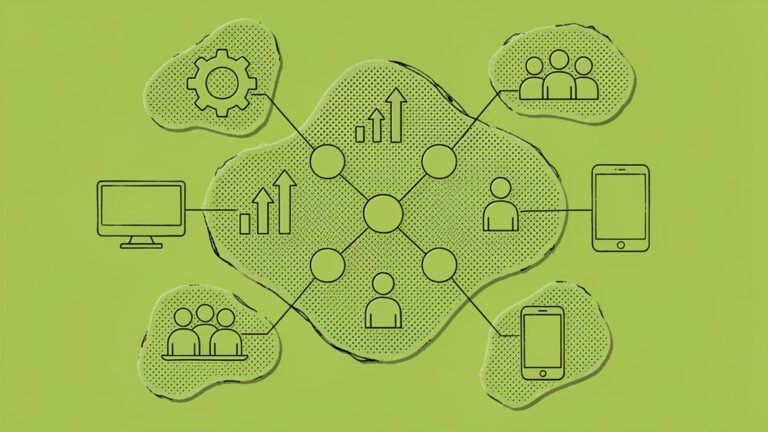
12 Tips to Overcome a Staff Shortage Without Sacrificing Mission Impact
Staff shortages in the nonprofit sector have become one of those problems that's hard to talk about without feeling a little overwhelmed. The vacancies pile up, the workload doesn't shrink, and somehow the mission still has to move forward. If that sounds familiar, you're definitely not alone, and more importantly, there are real ways through…
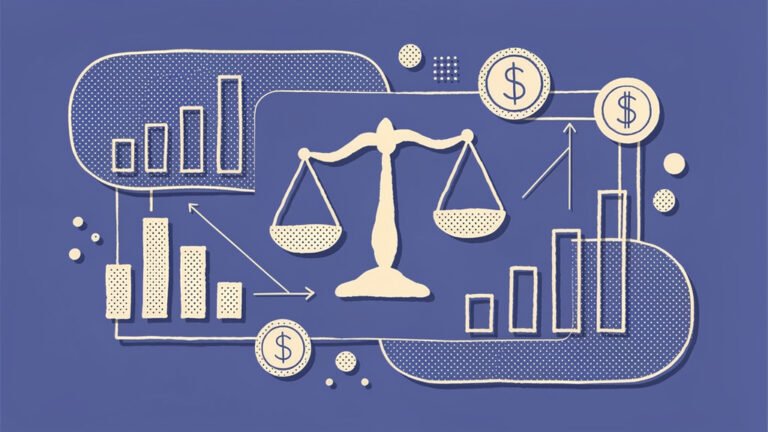
Advanced Tactics for Benchmarking Fair and Competitive Executive Compensation
Nonprofit compensation is one of those topics that tends to make everyone a little uncomfortable. Boards worry about optics, donors worry about overhead, and meanwhile the actual humans doing the mission-critical work are quietly getting poached by organizations that figured out that paying people well is, in fact, a strategy. So let's talk about it…
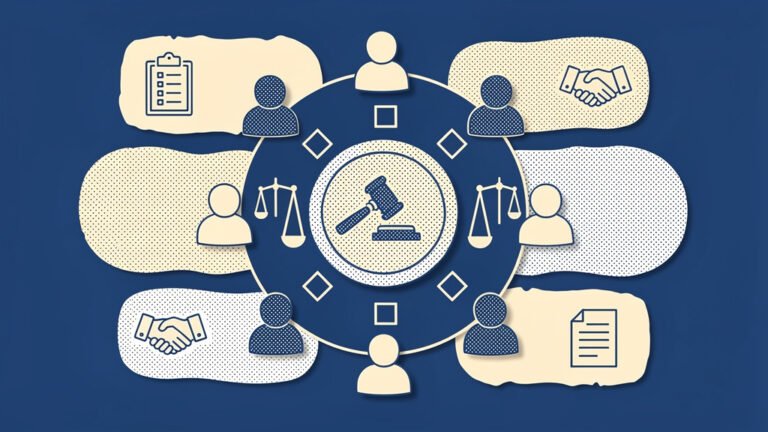
How Much Do Nonprofit Board Members Get Paid? 10 Ways to Clarify Expectations
The Legal Landscape You Can't Ignore Before anyone starts talking dollar amounts, it helps to understand the rules of the game. The IRS does permit paying board members, but only if the amount is considered "reasonable" based on comparable data. Skip the documentation and you're looking at excess benefit transaction penalties: a 25% excise tax…