Wealth screening feels like a superpower at first. You get the report, scan the names, see the real estate portfolios and executive titles, and think: these are our people. Then the calls go unanswered, the invitations get politely declined, and you’re left wondering what went wrong. Sound familiar?
Here’s the thing: knowing who can give and knowing who will give to your organization are two very different things. In this post, we’re going to dig into why wealth screening alone keeps leading development teams astray, what a more complete picture of donor potential actually looks like, and how to use the tools and data you probably already have to find the major donors hiding in plain sight.
The Wealth Screening Trap
Wealth screening tools scan public data for indicators like property values, SEC filings, and business ownership to estimate giving capacity (Kindsight). Useful, sure. But the data is also frequently outdated, incomplete, or just plain misleading, which leads to false positives where prospects look great on paper but have no real liquidity or interest in your cause (iMarketsmart).
Three problems keep coming up:
- Untrustworthy source layers. Real estate records and employment history don’t account for liabilities, life events like divorce, or assets tied up in private business (iMarketsmart; Insightful Philanthropy),
- Static snapshots. Financial situations shift fast. A one-time screen can be obsolete by the next quarter (Kindsight),
- Zero motivation insight. Capacity measures ability, not willingness. A wealthy individual may prioritize political giving, family foundations, or causes that have nothing to do with yours (Amphil).
Wealth screening tools are only about 60% accurate in predicting major gift potential (iMarketsmart). That means nearly half your “top prospects” may be dead ends before you even pick up the phone.
Protip: Never send a wealth-screened list straight to a gift officer’s desk. Filter it through engagement and affinity data first so every conversation starts on solid ground.
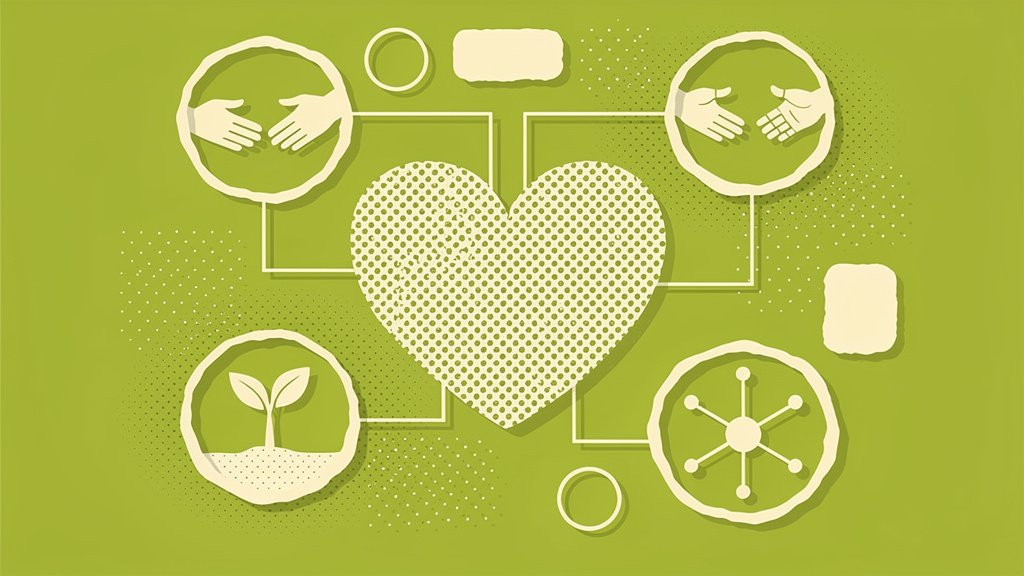
The Trifecta: Capacity, Propensity, and Affinity
Real major donor prediction requires three forces working together, not one in isolation.
| Factor | What It Measures | Key Indicators | Why It Matters |
|---|---|---|---|
| Capacity | Financial ability to give | Real estate above $1M, stock holdings, executive roles (Funraise Donor Prospecting) | Necessary but insufficient on its own. Ignores liquidity and intent. |
| Propensity | Habitual charitable inclination | Past giving history, political donations, nonprofit board roles (Amphil) | Reveals whether someone is a giver at all, beyond your org. |
| Affinity | Alignment with your specific mission | Gifts to similar nonprofits, event attendance, email engagement (Insightful Philanthropy; Amphil) | Predicts sustained support for your cause, not just any cause. |
When you layer all three, you stop chasing wealth mirages and start qualifying people who actually make sense. Tools like Kindsight (integrated with Funraise) combine these dimensions into Prospect Scores and Engagement Scores, surfacing what they call “Hidden Gems”: loyal mid-level donors with untapped giving capacity that a standard wealth screen would never flag (Funraise Donor Prospecting; Amphil).
What We See Before Teams Get This Right
Working with nonprofit leaders across the country, a few painful patterns come up again and again. We’re not pointing fingers here. We’ve seen these play out at well-run organizations with talented people.
- The “millionaire next door” obsession. A development director spends three months cultivating a real estate mogul from a screening list. Turns out he gives exclusively to his alma mater and has zero interest in your cause. Meanwhile, a $500/year recurring donor who volunteers monthly and opens every email never gets a personal call.
- The spreadsheet graveyard. The team runs a wealth screen, exports 2,000 names to a CSV, and the file sits untouched because nobody knows how to prioritize it. Six months later, someone re-runs the screen and starts over.
- The “we need more donors” reflex. Leadership assumes the next major gift must come from someone new. In reality, major donors often emerge from the existing base, not purchased lists. The upgrade path from engaged mid-level supporter to major donor is shorter than most teams realize.
These aren’t edge cases. They’re the norm for organizations that treat nonprofit prospect research as a one-dimensional wealth exercise.
Protip: Start every screening cycle with your top 500 lifetime givers, not your most recent donors. Lifetime value reveals upgrade potential that recency alone can’t show you (LinkedIn / Andrew Olsen).
Engagement Signals: The Predictor Hiding in Your CRM
Donor engagement metrics consistently outperform financial indicators when it comes to forecasting who will say yes to a major ask. So instead of just tracking balances, track behaviors:
- email clicks and social shares indicate topical interest,
- event attendance and profile updates signal active propensity,
- volunteer hours and peer referrals reveal deep affinity that no wealth screen captures.
Pair RFM analysis (Recency, Frequency, Monetary value) with interaction data to surface “under-giving” supporters: modest donors with major capacity who are already emotionally invested in your work (Amphil; iMarketsmart).
With overall donor retention hovering at just 30-32% and first-time donor retention below 20% (Funraise State of the Nonprofit Sector), engagement-driven cultivation isn’t optional. It’s survival math.
Try This Prompt in Your Favorite AI Tool
Copy and paste the prompt below into ChatGPT, Gemini, Claude, Perplexity, or whichever AI assistant you use daily. It’ll help you build a practical scoring framework tailored to your organization.
I work at a nonprofit focused on [MISSION AREA]. We have approximately [NUMBER] donors in our database. Our average major gift threshold is [DOLLAR AMOUNT], and our biggest engagement challenge right now is [CHALLENGE, e.g., "we rely on wealth screening lists but conversion rates are below 5%"]. Help me design a simple three-factor scoring rubric (capacity, propensity, affinity) I can apply to our existing donor base to identify the top 25 upgrade candidates. For each factor, suggest specific data points I should pull from our CRM or an all-in-one fundraising software for nonprofits like Funraise.org, and recommend one automated workflow I could set up to nurture high-scoring prospects toward a major gift conversation.
In daily practice, it’s worth investing in tools like Funraise that have AI components built directly into the platform where you already do your work. That means full operational context, no copy-pasting between disconnected tools, and scoring insights that live right next to donor records and communication workflows.
Build Holistic Donor Personas, Not Wealth Lists
Instead of a flat spreadsheet ranked by net worth, try building personas that blend multiple data layers for more targeted cultivation (GoFundMe Pro).
Example Persona: “The Community Connector”
- Capacity: multi-property owner, mid-six-figure estimated assets,
- Propensity: gives to 5-6 organizations annually (Amphil),
- Affinity: attends your events, shares your social posts, volunteers quarterly,
- Next step: personal invitation to a peer-led advisory discussion, not a cold solicitation letter.
And here’s an unconventional move worth trying: reverse-engineer from your “competitors.” Screen donors to mission-aligned organizations via public 990 filings, then cross-reference against your own database (Amphil). It uncovers warm prospects significantly faster than cold wealth hunts because you already know they care about causes like yours.
“The nonprofits that scale are the ones that stop treating technology as a back-office expense and start treating it as the infrastructure for every relationship they build.”
Funraise CEO Justin Wheeler
From Screening to Stewardship: Technology as the Bridge
The real power of a modern major gift strategy isn’t in running a better screen. It’s in connecting screening data to stewardship workflows so promising prospects don’t just disappear into a spreadsheet somewhere.
A practical pipeline looks like this:
- Screen your existing database with integrated capacity and affinity tools.
- Score the top 10-15% using the trifecta rubric.
- Qualify through personal outreach or short surveys. 46% of donors give when asked personally (donor behavior research), so the ask itself is a data point.
- Nurture with automated, behavior-triggered journeys that build engagement before you ever pitch a number.
- Convert through relationship-driven solicitation grounded in shared mission, not guessed net worth.
Funraise connects prospecting data from Kindsight directly into its CRM and communication tools, so the transition from “interesting name on a list” to “donor in active cultivation” happens inside one platform. If you haven’t explored it yet, you can start on the free tier with no commitment and see whether the integration changes how your team prioritizes prospects.
Protip: Automate the volunteer-to-donor pathway. Track multi-channel engagement (events, emails, giving, volunteering) in one system so you can trigger a personal touchpoint the moment a supporter crosses your engagement threshold.
Wealth Data Is an Ingredient, Not the Recipe
Donor propensity signals, behavioral engagement, and mission alignment together predict your next major donor far more reliably than net worth alone. The teams that internalize this shift stop burning cultivation hours on uninterested millionaires and start converting passionate supporters who’ve been waiting for someone to simply ask.
Your next transformational gift is probably already in your database. The question is whether your tools and processes are designed to find it.
About the Author


Best Nonprofit CRMs to Maximize ROI (and the Real Cost of Picking Wrong)
Picking a CRM for your nonprofit sounds like it should be straightforward. You compare a few options, maybe sit through a demo or two, and choose the one that feels right. But in practice, it's one of the highest-stakes decisions your organization will make, because the wrong call doesn't just cost money. It costs donor…
Online Fundraising for Nonprofits: Proving Your Digital Spend Delivers Real ROI
Understanding Your Digital Revenue Baseline Before you can prove ROI, you need to know where online giving actually sits within your revenue picture. And here's the thing, it varies a lot depending on your organization's size: Small nonprofits: online giving accounts for 13.4% of total revenue (NPTechforGood, 2024), Medium nonprofits: online giving accounts for 8.3%…

Nonprofit Fundraising Strategy That Prioritizes Impact Over Overhead
If you've spent any time in the nonprofit world, you've probably felt the quiet pressure to keep overhead low, brag about it in donor emails, and hope nobody asks too many follow-up questions. It's a familiar dance, and honestly, a lot of organizations are still doing it even though the research keeps nudging us in…